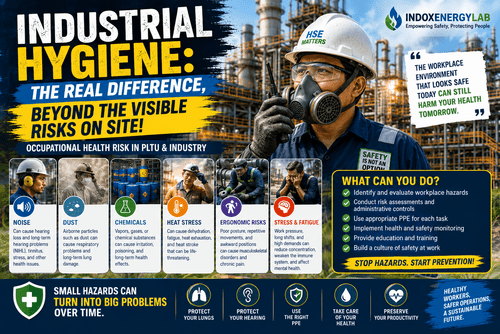
Industrial Hygiene: The Often-Overlooked Part of HSE
When we talk about HSE (Health, Safety, and Environment), most people immediately focus on things that are easy to see, such as:
• Safety helmets
• Safety shoes
• Falls from height
• Fires
• Explosions
• Heavy equipment
• Electrical hazards
But behind all of these, there is another important area of HSE that often receives less attention:
Industrial Hygiene
Many people are not even familiar with the term.
And even if they have heard of it, they often think:
“Oh, that’s just about dust and wearing masks.”
In reality, industrial hygiene is much broader than that.
Industrial hygiene is closely related to workers’ long-term health.
The problem is that because its effects are not always immediately visible, this topic is often underestimated.
Yet many occupational illnesses result from small exposures that occur repeatedly over many years.
Examples include:
• Noise
• Dust
• Chemical vapors
• Heat
• Vibration
• Radiation
• Poor air quality
At first, these exposures may seem harmless.
But over time, they can seriously affect a person’s health.
This article will explain what industrial hygiene is, why it matters, common workplace hazards that are often overlooked, and how industrial hygiene plays a major role in protecting workers every day.
What Is Industrial Hygiene?
Industrial hygiene is the practice of anticipating, recognizing, evaluating, and controlling workplace factors that may affect workers’ health.
Simply put, industrial hygiene focuses on questions such as:
• What are workers breathing?
• What are workers hearing?
• What are workers touching?
• What are workers being exposed to every day?
The goal is to prevent workers from developing health problems as a result of their work environment.
Industrial hygiene commonly addresses:
• Dust
• Noise
• Chemicals
• Heat
• Lighting
• Air quality
• Ergonomics
• Radiation
• Vibration
So it is not just about masks or personal protective equipment (PPE).
Why Is Industrial Hygiene Often Underestimated?
This is an interesting question.
In many workplaces, the greatest attention is usually given to hazards that are immediately visible.
For example:
• Falls
• Fires
• Explosions
• Electric shock
These hazards tend to receive more attention because their consequences can be immediate and dramatic.
Industrial hygiene, on the other hand, often deals with long-term exposure.
Its effects may not be felt immediately.
As a result, workers may think:
“I’m still strong.”
“We’ve always worked this way.”
“I’ve never gotten sick.”
But the human body can be affected little by little.
Sometimes, symptoms may not appear until years later.
Industrial Hygiene Is About Daily Exposure
Sometimes the greatest danger is not a major incident.
It can be a small exposure that happens continuously.
For example:
• Hearing loud machinery every day
• Breathing small amounts of dust over time
• Being exposed to heat for years
• Sitting in an awkward position every day
Because these exposures happen gradually, people can become accustomed to them.
But the body is still being affected.
1. Noise — One of the Most Commonly Underestimated Hazards
Noise is one of the most common examples.
In industrial areas such as:
• Power plants
• Factories
• Workshops
• Compressor rooms
• Turbine halls
noise levels can be very high.
The problem is that workers often become accustomed to the noise and start considering it normal.
However, continuous exposure to excessive noise can lead to:
• Hearing loss
• Tinnitus
• Difficulty concentrating
• Stress
• Mental fatigue
The most concerning part is that hearing damage usually develops gradually and can be permanent.
Earplugs Are Often Considered Unimportant
Many workers feel that:
• Earplugs are uncomfortable
• Communication becomes difficult
• They feel hot
• They interfere with work
Eventually, hearing protection may be removed.
But ear damage does not always produce immediate symptoms.
And once hearing is damaged, it can be difficult to restore.
2. Dust and Air Quality
Dust is another very common occupational exposure.
Examples include:
• Coal dust
• Cement dust
• Wood dust
• Fly ash
• Grinding particles
The problem is that very small particles can enter the lungs without workers realizing it.
Continuous exposure may increase the risk of:
• Respiratory irritation
• Chronic coughing
• Reduced lung function
• Occupational lung diseases
Sometimes an area may not look particularly dusty, but fine particles can still be present in the air.
Masks Can Become Just a Formality
This happens quite often.
Some workers wear masks only when an inspection is taking place.
Others may wear them incorrectly.
For example:
• Wearing the mask below the nose
• Wearing it too loosely
• Removing it during physically demanding work
As a result, the protection becomes ineffective.
3. Chemical Exposure
Industrial hygiene is also closely related to chemical exposure.
In industrial environments, chemicals may include:
• Solvents
• Acids
• Oils
• Gases
• Cleaning chemicals
• Paints
• Chemical vapors
If chemical exposure is not properly controlled, it can cause:
• Skin irritation
• Respiratory problems
• Chemical burns
• Poisoning
• Long-term health effects
The problem is that some chemicals do not necessarily have a strong or noticeable odor.
Workers may therefore feel safe even when exposure is actually occurring.
4. Heat Stress and Heat Exposure
Heat is also an important part of industrial hygiene.
In areas such as:
• Boilers
• Furnaces
• Outdoor projects
• Steam areas
heat exposure can be significant.
When the body continuously works in hot conditions, the risks may include:
• Dehydration
• Heat exhaustion
• Heat stroke
• Fatigue
• Reduced concentration
Sometimes workers become so focused on meeting production targets that they forget to pay attention to their own physical condition.
5. Ergonomics — Injuries That Develop Slowly
Ergonomics is another area that is often underestimated.
Yet it can have a major impact on long-term health.
Examples include:
• Lifting loads with poor body mechanics
• Sitting for too long
• Bending over repeatedly
• Performing repetitive movements
At first, it may feel like nothing more than muscle soreness.
Over time, however, it can develop into:
• Back pain
• Muscle injuries
• Joint disorders
• Spinal problems
Because the effects are not immediately severe, many people simply consider them normal.
6. Vibration Exposure
Workers who use equipment such as:
• Grinders
• Jackhammers
• Drills
• Heavy equipment
may be exposed to vibration repeatedly.
Over the long term, vibration exposure can affect:
• Hands
• Nerves
• Muscles
• Blood circulation
But because the effects can develop gradually, this hazard often receives less attention.
7. Fatigue and Mental Fatigue
Modern industrial hygiene also increasingly considers fatigue and mental well-being.
Workers who are:
• Sleep-deprived
• Stressed
• Extremely fatigued
may be more likely to experience:
• Work errors
• Unsafe behaviors
• Reduced concentration
• Accidents
This means mental well-being and fatigue management are also important parts of maintaining a healthy work environment.
Why Is Industrial Hygiene Important?
Because the goal of HSE is not only to prevent accidents today.
It is also to keep workers healthy over the long term.
Someone may work for years without experiencing a major accident.
But their health may gradually deteriorate as a result of occupational exposure.
That is also a form of workplace risk.
Industrial Hygiene and Behavior-Based Safety
Industrial hygiene is closely connected to human behavior.
Even when safety systems are already in place, workers may still:
• Fail to wear a mask
• Fail to wear hearing protection
• Not drink enough water
• Ignore signs of fatigue
• Fail to follow chemical handling procedures
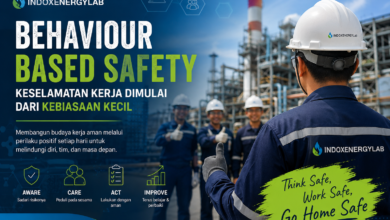
This is where the concept of Behavior-Based Safety becomes important.
Workplace safety and health are strongly influenced by everyday habits and behaviors.
Common Mistakes in the Field
Several practices are quite common in the workplace.
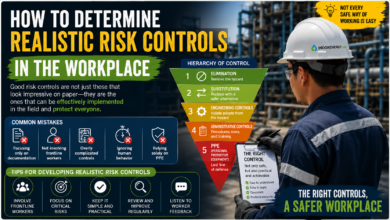
1. Focusing Only on PPE
PPE is the last line of defense.
More importantly, hazards should be controlled at their source whenever possible.
2. Assuming Small Exposures Are Harmless
A small exposure that occurs repeatedly can have significant long-term effects.
3. Treating Medical Checkups as a Formality
Medical checkups are important for detecting potential health problems at an early stage.
4. Ignoring Ventilation
Air quality has a major impact on workers’ health.
5. Assuming Being Strong Means Being Safe
Many workers think:
“I’m still strong enough to do the job.”
But the body can still be affected by occupational exposure.
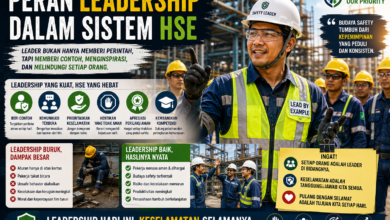
The Role of Leadership in Industrial Hygiene
Leadership has a major influence on workplace health.
When leaders:
• Care about workers’ conditions
• Reinforce proper PPE use
• Ensure adequate ventilation
• Avoid excessive workloads
it becomes easier to build a healthy workplace culture.
On the other hand, when the primary focus is only on production, industrial hygiene can easily be overlooked.
Technology Can Support Industrial Hygiene
Today, many industries are beginning to use technologies such as:
• Noise monitoring
• Dust monitoring
• Gas detectors
• Heat stress monitoring
• Air quality monitoring
Technology can help detect risks more quickly.
However, workplace culture and human behavior remain critical factors.
Industrial Hygiene Is Not an Add-On
Sometimes industrial hygiene is treated as merely an “extra” part of HSE.
In reality, it is an essential part of worker protection.
Occupational health is just as important as occupational safety.
Invisible Hazards Can Be the Most Easily Overlooked
This is an important point.
People naturally tend to be more concerned about hazards that are clearly visible.
But some significant workplace risks are not visible at all:
• Fine dust
• Noise
• Gases
• Chemical exposure
• Fatigue
Because they cannot always be seen, people often forget about them.
The Main Goal of Industrial Hygiene
Simply put, the goal of industrial hygiene is:
To keep workers healthy during their working lives and beyond.
It is not just about making sure workers are safe today.
It is also about helping them remain healthy for many years to come.
Safety and Health Must Go Hand in Hand
Sometimes companies focus heavily on accident rates.
But workers’ long-term health may receive less attention.
Both are equally important.
Healthy workers are generally better positioned to:
• Stay focused
• Work productively
• Work safely
• Avoid mistakes
Conclusion
Industrial hygiene is often underestimated because its effects are not always immediately visible.
However, small exposures that occur repeatedly can affect workers’ health over the long term.
From noise, dust, and chemicals to heat, ergonomics, vibration, and fatigue, all of these factors are important parts of a healthy work environment.
For that reason, industrial hygiene should not be treated as a mere formality or an additional item on an HSE checklist.
Industrial hygiene is an essential part of protecting people in the workplace.
Ultimately, the purpose of work is not simply to meet production targets or complete tasks.
It is also to make sure that everyone remains healthy and safe and can continue to enjoy a good quality of life, even after spending many years working in an industrial environment.