❄️ Introduction
If you have ever heard the term data center, what probably comes to mind is:
a cold room ❄️, filled with server racks 🖥️, blinking lights, and a place that “must never go down”.
And that is true.
A data center is where data, applications, and digital services operate 24/7 without interruption.
If it suddenly stops, the impact can be:
• Applications failing
• Transactions failing
• Public services being disrupted
• Even billions of rupiah in financial losses
That is why, before a data center is officially used, there is one critical process that cannot be done carelessly:
👉 Commissioning
⚙️ What Is Commissioning?
Simply put, commissioning is the process of ensuring that:
• All systems are installed correctly
• Equipment works according to design
• All systems are properly integrated
• The facility is ready to operate without unexpected problems
Commissioning is not just turning equipment on.
It includes:
• Checking
• Testing
• Simulating failures
• Ensuring the system remains safe and reliable
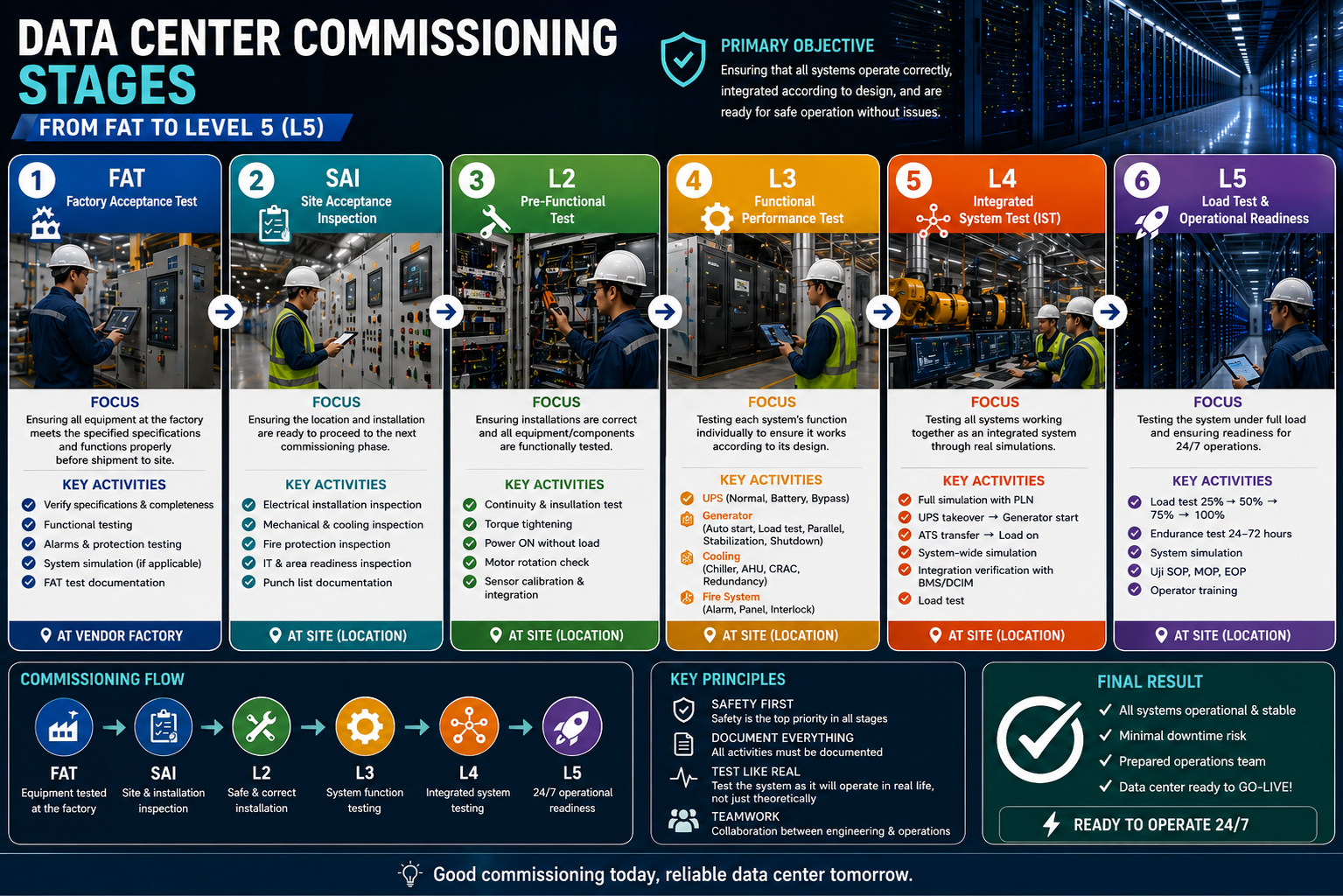
🔁 Overview of Data Center Commissioning Stages
The correct sequence of data center commissioning is:
👉 FAT → SAI → L2 → L3 → L4 → L5
Meaning:
• FAT: Equipment is tested at the factory
• SAI: Site readiness inspection
• L2–L3: Equipment testing
• L4: Integrated system testing
• L5: Ready for operation
🔧 1. FAT – Factory Acceptance Test
(Testing at Vendor Factory)
FAT is performed before equipment is shipped to the site.
Examples:
• UPS
• Generator
• Electrical panels
• Chillers
🎯 FAT Objectives
• Ensure equipment meets specifications
• Confirm basic functions operate correctly
• Prevent faulty equipment from being delivered
🔍 FAT Activities
• Nameplate verification
• Basic functional testing
• Alarm and protection testing
• Load simulation (if possible)
👉 Analogy:
“Checking a motorcycle at the dealer before bringing it home.”
🏗️ 2. SAI – Site Acceptance Inspection
(Site Readiness Check)
Performed after equipment:
• Has arrived
• Has been installed
🎯 SAI Objectives
• Ensure installation is correct
• Ensure the site is safe
• Confirm readiness for further testing
🔍 What Is Checked?
⚡ Electrical
• Panels installed according to drawings
• Cables properly arranged and labeled
• Grounding available
• No exposed cables
❄️ Mechanical & Cooling
• Chiller / CRAH / CRAC installed correctly
• Pipes properly arranged and insulated
• No leakage
🔥 Fire System
• Fire protection system ready
• Fire alarm panel active
🖥️ IT Room
• Raised floor properly installed
• Hot aisle / cold aisle arrangement matches design
📌 SAI Output
• Inspection checklist
• Punch list
• Approval for next stage
👉 Analogy:
“Checking a house before moving in.”
⚡ 3. Level 2 (L2) – Pre-Functional Test
(Checking Installation Before Trusting the Equipment)
At this stage, the focus is:
👉 Is the installation correct and safe?
🎯 L2 Objectives
• Ensure no installation errors
• Ensure safe initial energization
🔍 Detailed Activities
⚡ Electrical
• Continuity test
• Insulation resistance test (megger)
• Torque tightening verification
• Phase rotation check
• Power ON without load
❄️ Mechanical
• Pipe flushing
• Pressure test
• Motor rotation direction check
• Valve alignment
🧠 Control System
• Integration with BMS/DCIM
• Sensor calibration
• Alarm monitoring test
⚠️ Risks if L2 Fails
• Short circuit
• Motor damage
• Incorrect sensor readings
• Early equipment failure
⚙️ 4. Level 3 (L3) – Functional Performance Test
(Equipment Starts Operating)
At this stage, each system is tested individually (standalone).
🎯 L3 Objectives
• Ensure equipment functions properly
• Verify normal operation mode
• Confirm protection systems work
🔍 Activities
🔋 UPS
• Normal mode
• Battery mode
• Bypass mode
⚡ Generator
• Auto start
• Voltage stabilization
• Shutdown test
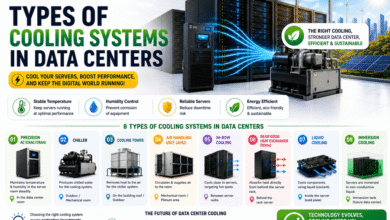
❄️ Cooling System
• Temperature control
• Airflow testing
• Redundancy test (N+1)
👉 Important note:
All systems are still tested separately and are not fully integrated yet.
🔗 5. Level 4 (L4) – Integrated System Test (IST)
(Real Condition Simulation)
This is one of the most important stages.
👉 All systems are tested together as one complete ecosystem.
🎯 L4 Objectives
• Ensure systems work together
• Test real failure scenarios
🔍 Example Scenarios
⚡ Blackout Simulation
Scenario:
• PLN power fails
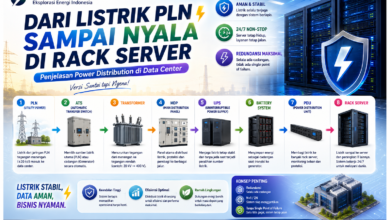
• UPS immediately provides backup
• Generator starts
• ATS transfers power
• Data center remains operational
❄️ Cooling Failure
Scenario:
• One cooling unit fails
• Backup system takes over
• Temperature remains stable
💥 Why Is L4 Critical?
Because:
• Failures often happen during transitions
• Equipment may work individually, but integration can fail
👉 L4 = The moment of truth
🚀 6. Level 5 (L5) – Load Test & Operational Readiness
(Before Go-Live)
This is the final stage before the data center is officially used.
🎯 L5 Objectives
• Ensure system stability under real load
• Ensure operational teams are ready
🔍 Activities
⚡ Load Test
• 25% → 50% → 75% → 100%
• Server load simulation
⏱️ Endurance Test
• Running 24–72 hours
• Performance monitoring
🚨 Failure Simulation
• Failure during high load
• Recovery verification
👷 Operational Test
• SOP (Standard Operating Procedure)
• MOP (Method of Procedure)
• EOP (Emergency Operating Procedure)
• Operator training
📊 Parameters Checked
• System stability
• Temperature
• Alarms
• Team response
🟢 L5 Output
• Ready for operation
• Ready for IT load
• Ready for Go-Live
🧠 Commissioning Summary
Stage Focus
FAT Equipment at factory
SAI Site readiness
L2 Installation verification
L3 Equipment function
L4 System integration
L5 Operation readiness
🔥 Important Insight
Many people think commissioning is only about equipment.
But actually:
👉 Commissioning = System + Integration + People
If one part fails, risk still exists.
🎯 Conclusion
Commissioning is not just a formality.
It is:
👉 the guardian of data center reliability
Without proper commissioning:
• Higher downtime risk
• Greater operational risk
• Unstable systems
With proper commissioning:
• Reliable systems
• Smooth operations
• Prepared teams
And most importantly:
👉 The data center can operate without drama. ⚡🖥️