Types of Solar Power Plants Around the World: Rooftop, Floating, Utility-Scale, and Microgrid
Introduction
Solar energy is one of the most abundant energy sources on Earth. Every day, the sun delivers an enormous amount of energy to our planet’s surface. This energy can be converted into electricity using a technology known as a Solar Power Plant (PV System).
In recent years, solar power has become increasingly popular around the world. More homeowners are installing solar panels on their rooftops, large companies are developing massive solar farms, and some solar panels are even being installed on lakes and reservoirs.
Interestingly, solar power systems come in several different forms. There isn’t just one type of solar power plant.
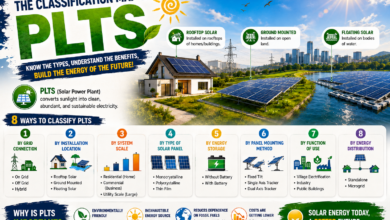
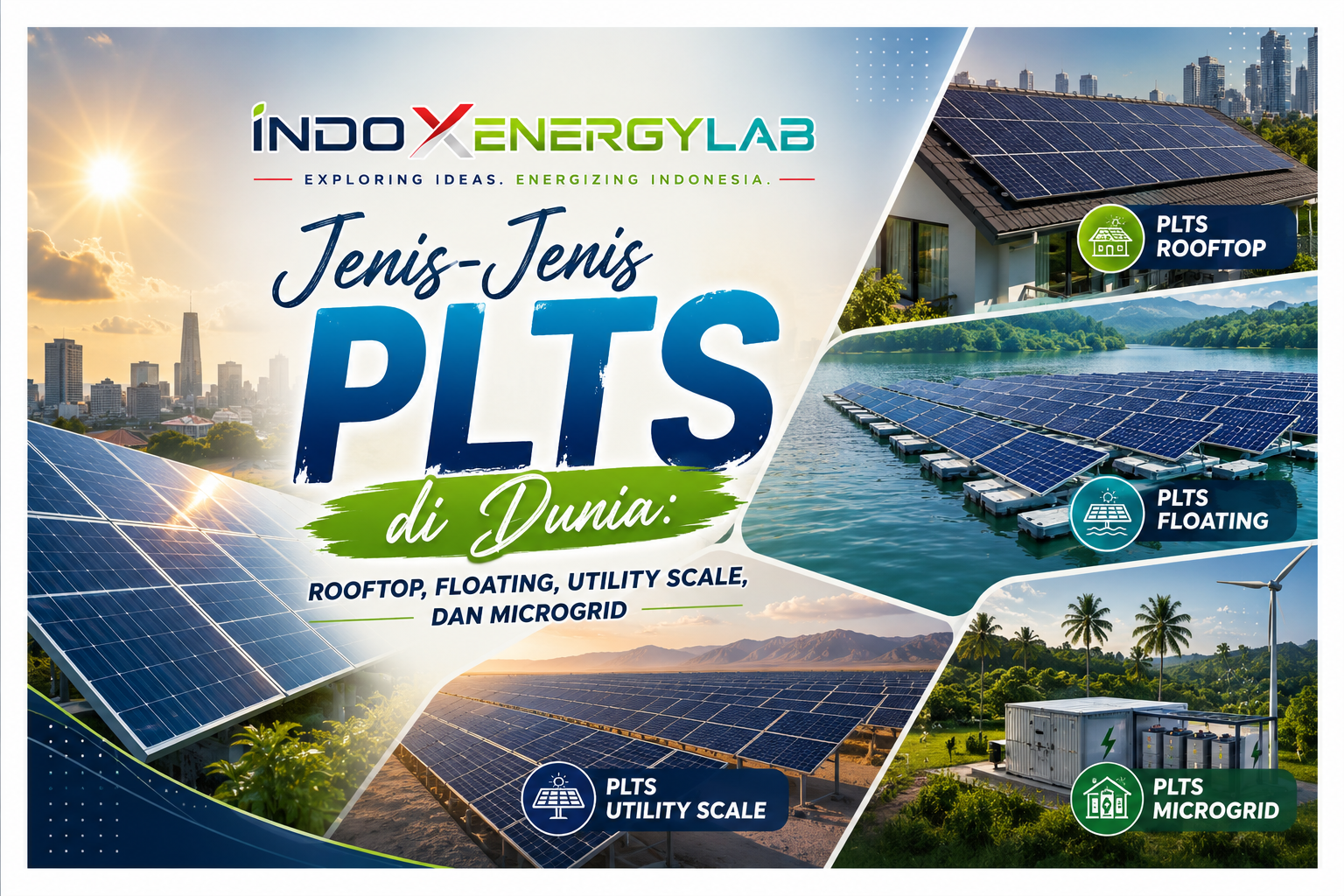
The four most common types of solar power systems are:
Rooftop Solar
Floating Solar
Utility-Scale Solar
Solar Microgrids
Each of these systems plays an important role in the global transition toward cleaner and more sustainable energy.
In this article, we’ll explore each type in detail, including how they work, their advantages and disadvantages, and real-world applications around the world.
Understanding Solar Power Systems
Before discussing the different types, let’s first understand how a solar power system works.
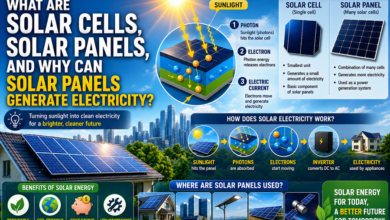
A solar power system converts sunlight into electricity using devices called solar panels or photovoltaic (PV) modules.
Inside each solar panel are small components called solar cells, which are typically made from silicon. When sunlight strikes these cells, an electrical reaction occurs, generating electricity.
However, the electricity produced by solar panels is direct current (DC).
Since homes and commercial buildings use alternating current (AC), the electricity must first pass through an inverter, which converts DC electricity into AC electricity.
A typical solar power system consists of several major components:
• Solar panels
• Inverter
• Mounting structure
• Electrical wiring and protection equipment
• Battery (optional)
Although the basic principle remains the same, solar systems can be deployed in very different ways depending on their purpose and installation location
1. Rooftop Solar
The most familiar type of solar power system is Rooftop Solar.
As the name suggests, these systems are installed on the roofs of buildings.
Common installation sites include:
• Residential homes
• Schools
• Office buildings
• Factories
• Shopping centers
• Hospitals
Since rooftop solar utilizes existing roof space, it is one of the most practical ways to harness solar energy.
How Rooftop Solar Works
The process is straightforward.
Solar panels are installed on the roof where they receive maximum sunlight. As sunlight strikes the panels, electricity is generated and sent to the inverter.
The electricity can then be used immediately to power the building, including:
• Lighting
• Air conditioning systems
• Computers
• Industrial equipment
If the panels generate more electricity than the building consumes, the excess power can be exported to the utility grid in an on-grid system.
Advantages of Rooftop Solar
• Lower Electricity Bills
Because part of the building’s electricity comes directly from sunlight, less electricity needs to be purchased from the utility company.
• Makes Use of Existing Space
Roofs are generally unused, making them ideal locations for solar installations.
• Fast Installation
Compared to building a large power plant, rooftop solar systems can usually be installed much more quickly.
• Supports Clean Energy
Rooftop solar helps reduce carbon emissions and air pollution.
Challenges of Rooftop Solar
• Not every roof is suitable for solar panels.
• System capacity is limited by available roof space.
• Upfront installation costs may still be significant for some homeowners.
However, as solar technology continues to improve, panel prices continue to decline, making rooftop systems increasingly affordable.
2. Floating Solar
Another fascinating type of solar power system is Floating Solar, also known as Floating Photovoltaics (FPV).
These systems are installed directly on the surface of water.
Solar panels are mounted on floating platforms located on:
Lakes
Reservoirs
Dams
Flooded former mining sites
Floating solar has grown rapidly in recent years as suitable land for large solar projects becomes increasingly scarce.
How Floating Solar Works
The operating principle is essentially the same as conventional solar systems.
Solar panels capture sunlight and generate electricity.
The difference is that the panels are mounted on floating structures that rest on the water’s surface.
These platforms are anchored to maintain stability despite wind and waves.
The electricity generated is transmitted through underwater cables to inverters and the onshore electrical distribution system.
Advantages of Floating Solar
Floating solar offers several unique benefits.
1. Saves Valuable Land
Since the panels float on water, no large areas of land are required.
2. Reduces Water Evaporation
Solar panels shade portions of the water surface, helping reduce evaporation from reservoirs.
3. Higher Panel Efficiency
Water naturally cools the solar panels, allowing them to operate at slightly higher efficiency.
Challenges of Floating Solar
Despite its advantages, floating solar presents several engineering challenges.
For example:
1. Construction is more complex.
2. Specialized designs are required for aquatic environments.
3. Maintenance must address corrosion and high humidity.
4. Even so, many countries continue investing in floating solar because of its enormous potential.
3. Utility-Scale Solar
While rooftop systems are designed for individual buildings, Utility-Scale Solar represents the largest form of solar power generation.
Utility-scale solar farms are massive power plants built specifically to supply electricity to the national power grid.
These facilities typically have generating capacities ranging from tens to hundreds of megawatts (MW).
To put that into perspective, a single utility-scale solar farm may contain hundreds of thousands—or even millions—of solar panels.
Where Utility-Scale Solar Is Built
Large solar farms are commonly constructed in:
• Deserts
• Large open fields
• Former industrial sites
• Areas with high solar irradiance
Panels are arranged in long rows, creating enormous solar fields.
Technology Used
Many utility-scale projects incorporate additional technologies such as solar trackers.
Solar trackers automatically rotate the panels throughout the day to follow the sun’s movement.
This allows the panels to capture more sunlight and generate more electricity.
Advantages of Utility-Scale Solar
• Large-scale solar plants provide several important advantages.
• Massive Electricity Production
A single solar farm can supply electricity to thousands—or even millions—of homes.
• Lower Cost of Electricity
Because of economies of scale, the cost of generating electricity per kilowatt-hour is generally lower.
• Supports the Energy Transition
Many countries are using utility-scale solar to replace fossil-fuel-fired power plants.
Challenges of Utility-Scale Solar
Large-scale projects also face several challenges.
For example:
• They require extensive land areas.
• Initial investment costs are substantial.
• A strong electrical transmission network is necessary.
Despite these challenges, utility-scale solar remains one of the fastest-growing sources of renewable energy worldwide.
4. Solar Microgrids
The final type is the Solar Microgrid, an increasingly important solution for localized electricity generation.
A microgrid is a small electrical network that can operate independently or remain connected to the main power grid.
Microgrids commonly serve:
• Remote villages
• Small islands
• Industrial parks
• University campuses
• Residential communities
How a Solar Microgrid Works
A microgrid typically combines several energy sources and technologies, including:
• Solar panels
• Battery energy storage systems
• Backup generators
• Energy management systems
During the day, solar panels generate electricity that is supplied directly to users.
Excess electricity is stored in batteries for nighttime use.
If additional electricity is needed, backup generators automatically provide supplemental power.
Advantages of Solar Microgrids
• Solar microgrids offer many benefits.
• Ideal for Remote Communities
• Areas beyond the reach of traditional utility networks can still receive reliable electricity.
• Greater Energy Resilience
• If the main grid experiences an outage, the microgrid can continue operating independently.
• Supports Renewable Energy
• Microgrids often combine multiple renewable sources, including solar and wind power.
Examples of Microgrid Applications
• Rural electrification projects on remote islands
• Campus energy systems
• Local power networks for industrial estates
• Microgrids have become an essential solution for communities lacking reliable access to electricity.
The Role of Solar Power in the Future of Global Energy
Each type of solar power system serves a unique role in today’s energy landscape.
For example:
• Rooftop solar allows homes and businesses to generate their own electricity.
• Floating solar utilizes water surfaces for power generation.
• Utility-scale solar supplies large amounts of electricity to the grid.
• Microgrids provide reliable electricity for remote communities.
Together, these technologies are helping countries reduce their dependence on fossil fuels such as coal and oil.
Meanwhile, solar technology continues to improve.
Solar panels are becoming more efficient, manufacturing costs continue to decline, and energy storage technologies are advancing rapidly.
These developments make solar energy an increasingly attractive solution for the future.
Solar Energy Potential in Indonesia
Indonesia possesses tremendous solar energy potential.
Located in the tropics, nearly the entire country receives abundant sunshine throughout the year.
Average solar radiation ranges from approximately 4 to 5.5 kWh per square meter per day, making Indonesia highly suitable for solar power development.
Large solar projects are already being developed across the country, including:
• Rooftop solar systems
• Floating solar projects
• Utility-scale solar farms
• Microgrid systems serving remote villages
If fully utilized, solar energy could significantly strengthen Indonesia’s energy security while reducing carbon emissions.
Conclusion
Solar power is one of the fastest-growing renewable energy technologies in the world.
The four major types of solar power systems are:
• Rooftop Solar, installed on building rooftops
• Floating Solar, installed on lakes and reservoirs
• Utility-Scale Solar, built as large power plants
• Solar Microgrids, designed to serve specific communities or regions
Each system offers unique advantages and serves different energy needs.
As technology continues to advance and demand for clean energy grows, solar power will play an increasingly important role in the global energy system.
The future of electricity will likely depend on a combination of these solar technologies, working together to provide clean, reliable, and sustainable power for communities around the world.