Introduction
We use electricity every day for countless activities. The lights in our homes, phone chargers, computers, refrigerators, televisions, and even the internet all depend on electricity.
But have you ever wondered where that electricity actually comes from?
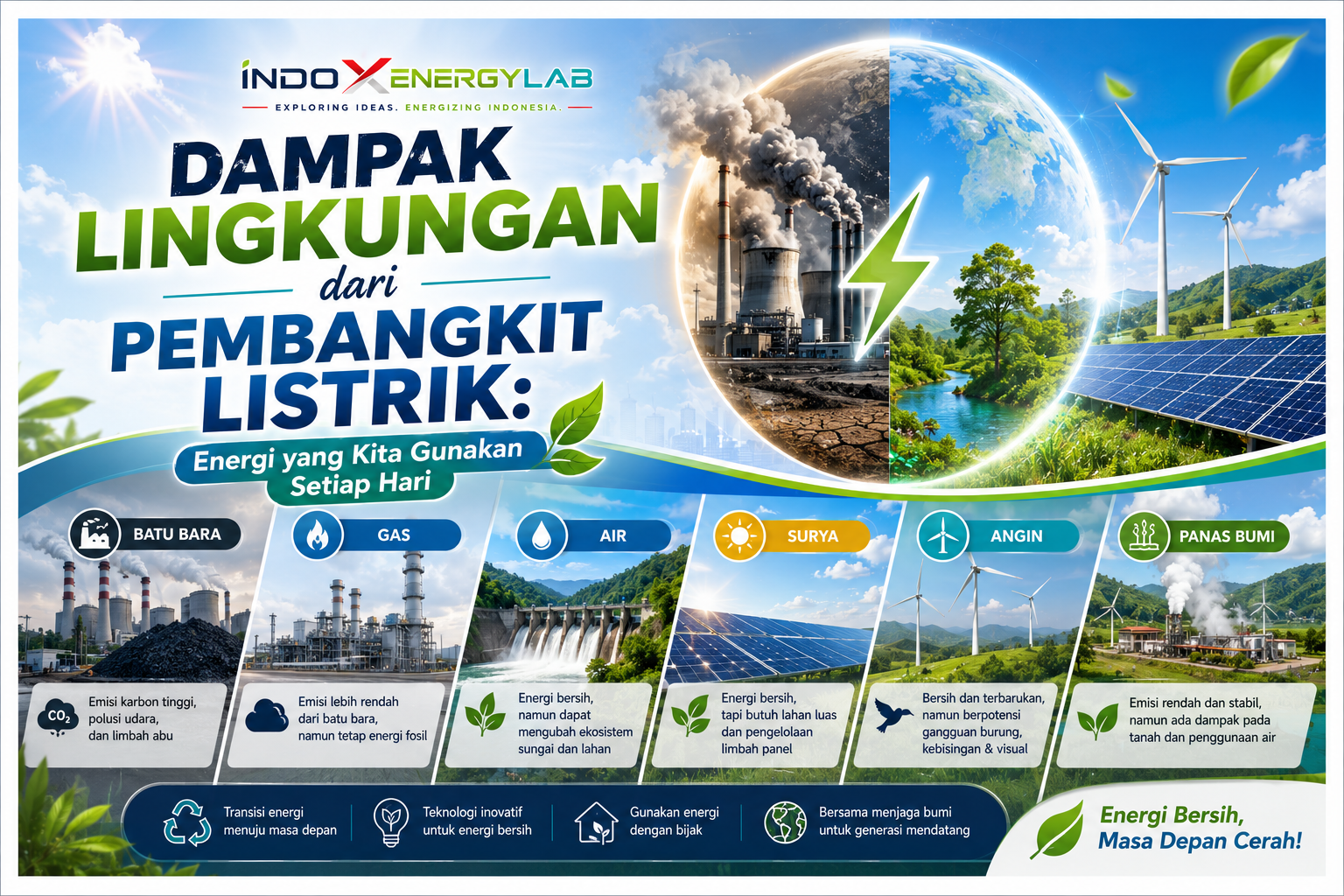
Behind the electricity we use every day are various types of power plants that generate the energy we rely on. These power plants use different energy sources, including:
• Coal
• Natural gas
• Water
• Solar energy
• Wind
• Geothermal energy
All of these energy sources help meet society’s growing demand for electricity. However, each type of power plant also has its own environmental impact.
Some power plants produce significant carbon emissions, while others are much more environmentally friendly. Some can also affect natural ecosystems such as rivers, forests, and oceans.
Understanding the environmental impacts of power generation has become increasingly important, especially as the world transitions toward cleaner and more sustainable energy.
In this article, we’ll explore:
• How power plants generate electricity
• Different types of power plants
• The environmental impacts of each type
• The challenges of providing environmentally friendly electricity
• The future of cleaner energy
Let’s begin with the basics.
How Do Power Plants Generate Electricity?
Before discussing their environmental impacts, it’s important to understand how power plants work.
In simple terms, most power plants generate electricity by converting one form of energy into electrical energy.
For example:
• Coal is burned to produce heat.
• The heat turns water into steam.
• The steam spins a turbine.
• The turbine drives a generator.
• The generator produces electricity.
This process is commonly used in conventional power plants such as coal-fired and natural gas-fired power stations.
However, not all power plants operate this way.
For example:
• Hydroelectric power plants use flowing water to spin turbines.
• Wind farms use wind to rotate turbine blades.
• Solar panels convert sunlight directly into electricity.
Although their operating principles differ, they all share the same goal: generating electricity for people and businesses.
Types of Power Plants
Many different types of power plants are used around the world today. Each offers unique advantages and disadvantages, including different environmental impacts.
Let’s look at the most common types.
Coal-Fired Power Plants
Coal-fired power plants remain one of the world’s largest sources of electricity.
In many countries, including Indonesia, coal continues to play a major role in electricity generation.
How Do They Work?
Coal is burned inside a boiler to produce heat.
The heat generates high-pressure steam, which spins a turbine.
The turbine drives a generator that produces electricity.
Environmental Impacts
Although coal plants generate large amounts of electricity, they also have significant environmental impacts.
Carbon Emissions
Burning coal releases carbon dioxide (CO₂), a greenhouse gas that contributes to global climate change.
Carbon dioxide is one of the primary drivers of global warming.
Air Pollution
In addition to carbon dioxide, coal combustion produces:
• Sulfur dioxide (SO₂)
• Nitrogen oxides (NOₓ)
• Fine particulate matter
These pollutants can degrade air quality and pose serious health risks.
Coal Ash Waste
Coal combustion also produces ash that must be carefully managed to prevent environmental contamination.
Natural Gas Power Plants
Natural gas power plants use natural gas as their primary fuel.
The gas is burned to generate heat, which is then used to produce electricity.
Environmental Impacts
Compared with coal, natural gas emits less carbon dioxide.
However, it still has environmental impacts, including:
• Carbon emissions
• Methane leakage
• Environmental impacts from gas exploration and extraction
Although cleaner than coal, natural gas remains a fossil fuel.
Hydroelectric Power Plants
Hydropower plants generate electricity by using flowing water to turn turbines.
Water stored behind a dam flows through turbines that drive generators.
Advantages
Hydropower offers several benefits:
• No carbon emissions during electricity generation
• Renewable energy source
• Capable of producing large amounts of electricity
Environmental Impacts
Although hydropower produces clean electricity, it can also affect the environment.
Changes to River Ecosystems
Building dams alters natural river flows and can impact surrounding ecosystems.
Effects on Fish
Some fish species are affected because dams block their natural migration routes.
Land Use
Large reservoirs require extensive land areas and may flood communities and natural habitats.
Solar Power Plants
Solar power plants use photovoltaic (PV) panels to convert sunlight into electricity.
Solar technology has become increasingly popular because it produces clean energy.
Advantages
Solar energy offers several major benefits:
• No emissions during electricity generation
• Abundant energy source
• Can be installed in a wide variety of locations
Environmental Impacts
Although relatively environmentally friendly, solar energy also presents several challenges.
Solar Panel Manufacturing
Manufacturing solar panels requires significant amounts of raw materials and energy.
Land Requirements
Large-scale solar farms require substantial land areas.
Solar Panel Recycling
Solar panels typically last between 20 and 30 years, making proper recycling and waste management increasingly important.
Wind Power Plants
Wind power plants generate electricity using wind turbines.
Wind turns the turbine blades, which drive a generator.
Advantages
Wind energy offers several advantages:
• No carbon emissions during operation
• Renewable energy source
• Relatively low operating costs
Environmental Impacts
Wind turbines may also have environmental impacts.
Bird Collisions
Wind turbines can pose risks to birds flying through the area.
Visual Impact
Some people believe wind turbines alter the natural landscape.
Noise
Operating wind turbines produce mechanical and aerodynamic noise.
Geothermal Power Plants
Geothermal power plants utilize heat from beneath the Earth’s surface.
Steam from underground geothermal reservoirs drives turbines that generate electricity.
Indonesia possesses one of the world’s largest geothermal energy resources.
Advantages
Geothermal energy provides several benefits:
• Low carbon emissions
• Stable power generation
• Not dependent on weather conditions
Environmental Impacts
Although relatively clean, geothermal energy also has some environmental considerations, including:
• Land subsidence or ground changes
• Water usage
• Potential release of naturally occurring underground gases
The Challenges of Providing Environmentally Friendly Electricity
Providing reliable electricity is not a simple task.
Every country must balance several important factors, including:
• Growing electricity demand
• Construction costs
• Availability of energy resources
• Environmental impacts
Fossil fuels such as coal remain widely used because they can generate large amounts of electricity at relatively low cost.
However, they also produce high carbon emissions.
For this reason, many countries are accelerating the development of renewable energy.
The Energy Transition Toward a Cleaner Future
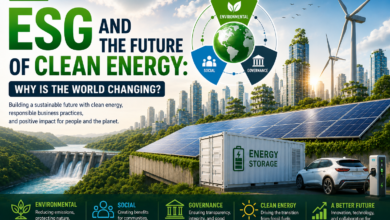
The world is currently undergoing what is known as the energy transition.
The energy transition refers to the shift from fossil fuel-based energy systems toward cleaner and more sustainable energy sources.
Key initiatives include:
• Expanding renewable energy generation
• Developing energy storage technologies
• Improving energy efficiency
• Reducing carbon emissions
Technologies such as Battery Energy Storage Systems (BESS) are increasingly being deployed to store electricity generated by renewable sources like solar and wind.
The Role of Technology in Reducing Environmental Impacts
Technology plays a crucial role in reducing the environmental impacts of electricity generation.
Several important innovations include:
• Low-emission power generation technologies
• Carbon capture technologies
• Smart electrical grids
• Energy storage systems
These innovations help make energy systems cleaner, more reliable, and more efficient.
The Role of Society in Energy Conservation
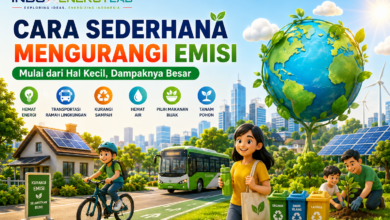
In addition to technology and government policies, individuals also play an important role in protecting the environment.
Simple actions include:
• Using electricity efficiently
• Conserving energy at home
• Supporting renewable energy adoption
• Choosing energy-efficient appliances
Small actions taken by millions of people can create a significant positive impact on the environment.
Conclusion
Power plants play an essential role in modern life. Without electricity, many of our daily activities would simply not be possible.
However, every type of power plant has some level of environmental impact.
Fossil fuel power plants, such as coal and natural gas facilities, produce carbon emissions that contribute to climate change.
Renewable energy sources—including solar, wind, hydropower, and geothermal energy—offer cleaner alternatives, although each comes with its own technical and environmental challenges.
For this reason, the world is steadily moving toward cleaner energy systems through the ongoing energy transition.
By combining technological innovation, effective public policies, and greater public awareness, a more sustainable energy future can become a reality.
Understanding the environmental impacts of power generation is an important step toward using energy more responsibly and protecting our planet for future generations.