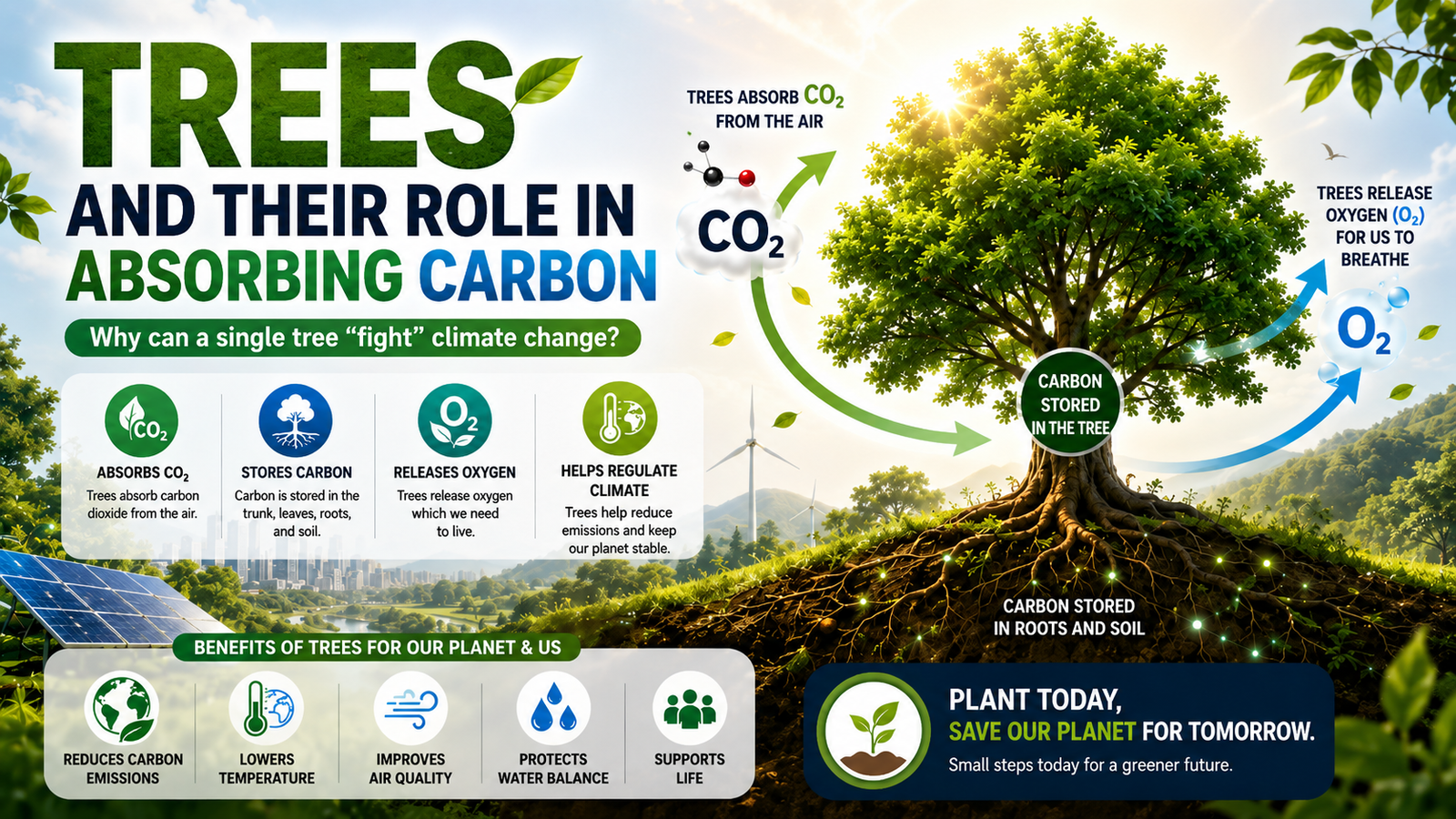
If someone asks you about the simplest way to help the planet, the answer might be: plant a tree.
But have you ever wondered…
Why are trees considered so important for protecting the Earth?
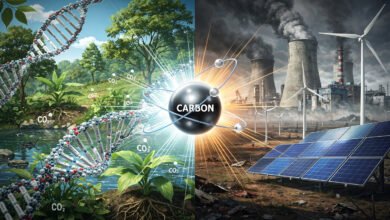
The answer lies in one word: carbon.
Trees have an incredible ability to absorb carbon from the atmosphere. This ability is not only important for the environment, but also plays a key role in addressing global climate change.
In this article, we will explore in a simple but clear way: how trees work, why they matter, and how their role connects with the world of energy and sustainability.
1. Carbon in the Air: A Problem We Need to Address
The air around us contains carbon in the form of:
• Carbon dioxide (CO₂)
• Other greenhouse gases
In normal amounts, this is not a problem. In fact, carbon is essential for life.
However, as human activities increase:
• Burning fossil fuels
• Industrial activities
• Transportation
The amount of carbon in the atmosphere has increased significantly.
As a result:
• Global temperatures rise
• Climate change occurs
This is where trees begin to play an important role.
2. Trees: Natural Carbon “Absorbers”
Trees are often called:
👉 Carbon sinks
This means:
• They absorb carbon from the atmosphere
• They store carbon inside their bodies
This process happens through a natural process called photosynthesis.
3. How Do Trees Absorb Carbon?
Let’s explain it simply.
During photosynthesis:
1. Trees absorb CO₂ from the air
2. They take water from the soil
3. They use energy from sunlight
4. They convert it into food (glucose)
The results:
• Trees grow
• Oxygen is released into the atmosphere
So:
👉 Trees “take” carbon and “give back” oxygen.
4. Where Is Carbon Stored?
The carbon absorbed by trees does not disappear.
It is stored in:
• Tree trunks
• Branches
• Leaves
• Roots
• Surrounding soil
The larger the tree:
👉 the more carbon it can store.
5. Forests as Giant Carbon Absorbers 🌳🌳🌳
One tree already helps.
Now imagine millions of trees in a forest.
Forests are:
👉 one of the largest carbon sinks on Earth
They:
• Absorb large amounts of CO₂
• Help maintain climate balance
That is why forests are often called:
“the lungs of the Earth.”
6. Trees and the Carbon Balance
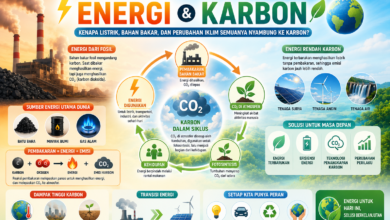
On Earth, carbon continuously moves through a cycle.
In this cycle:
• Humans and industries produce carbon
• Trees absorb carbon
This helps maintain the balance of nature.
When trees decrease:
👉 this balance becomes disrupted.
7. Deforestation: When Trees Disappear
Problems occur when:
• Forests are cut down
• Land is converted for other uses
The impacts:
• Carbon absorption decreases
• Stored carbon is released back into the atmosphere
The result:
👉 carbon emissions increase.
8. Trees and the Greenhouse Effect 🌡️
Carbon in the atmosphere contributes to the greenhouse effect.
Trees help by:
• Reducing CO₂ levels
• Reducing the warming effect
Therefore, trees directly contribute to maintaining Earth’s temperature.
9. Trees in Our Daily Life
The role of trees is not only global but also local.
Trees help by:
• Filtering air
• Lowering environmental temperatures
• Providing oxygen
That is why:
👉 cities with more trees usually feel cooler.
10. Trees vs Carbon Emissions
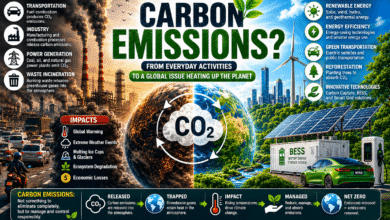
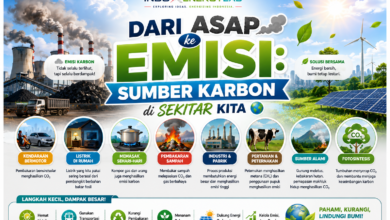
Every day, humans create emissions through:
• Driving vehicles
• Using electricity
• Industrial activities
Trees help “balance” these emissions.
Although:
👉 one tree cannot absorb all human emissions,
many trees together create a significant impact.
11. Reforestation: A Simple but Powerful Solution 🌱
One of the most effective solutions is:
👉 reforestation (planting trees again)
Benefits:
• Absorbs carbon
• Improves the environment
• Restores ecosystems
12. Trees and the Energy World ⚡
Trees also have a role in the energy sector.
a. Biomass
Trees can be used as a renewable energy source.
b. Carbon Offset
Companies may plant trees to:
• Compensate for their emissions
This approach is often connected with ESG concepts.
13. Trees and Carbon Offset
Carbon offset means:
👉 balancing emissions by removing or reducing carbon from the atmosphere.
Examples:
• Planting trees
• Protecting forests
Many companies use this approach to achieve environmental targets.
14. Trees and Climate Change 🌍
Trees are one of the best natural tools to fight climate change.
Why?
Because they:
• Absorb CO₂
• Stabilize temperatures
• Protect ecosystems
Without trees:
👉 the impacts of climate change would become more severe.
15. Indonesia and the Role of Forests 🇮🇩
As a country with large tropical forests, Indonesia plays an important role.
Forests help Indonesia:
• Become a global carbon absorber
• Protect biodiversity
However, Indonesia also faces challenges:
• Deforestation
• Forest fires
16. Is Planting Trees Enough?
The answer:
Not completely.
We still need to:
• Reduce emissions
• Use cleaner energy
Trees are an important solution, but not the only solution.
17. Our Role as Individuals
We can start with simple actions:
• Plant trees
• Protect the environment
• Reduce emissions
Small actions → big impacts.
18. Simple Analogy
Imagine carbon like water inside a bucket:
• Emissions = water entering the bucket
• Trees = water leaving the bucket
If:
• More water enters than leaves → the bucket overflows
Therefore:
👉 balance is needed.
19. Summary
Trees are important because they:
• Absorb carbon
• Produce oxygen
• Maintain Earth’s temperature
• Support ecosystems
Problems:
• Deforestation
• High emissions
Solutions:
• Plant trees
• Reduce emissions
20. Conclusion
Trees may look simple.
They stand still, do not move, and are often taken for granted.
But in reality, they are:
👉 “Earth’s guardians” working continuously.
They:
• Absorb carbon
• Clean the air
• Support life
In a world that is becoming warmer and facing increasing emissions, trees remain one of our greatest hopes.
So, if there is one simple thing we can do for the planet…
the answer may still be the same as it has always been:
👉 Plant a tree. 🌱