Have you ever heard the term carbon emissions?
You’ve probably come across it in the news, especially in discussions about climate change, energy, or the environment. But what exactly are emissions?
Simply put, emissions are gases released into the atmosphere, primarily as a result of human activities such as:
• Driving vehicles
• Using electricity
• Industrial activities
• Burning fuels
One of the most commonly discussed emissions is carbon dioxide (CO₂), which is produced when fuels like gasoline, diesel, and coal are burned.
The problem is that when too much CO₂ is released into the atmosphere, it can lead to:
• Global warming
• Climate change
• Poor air quality
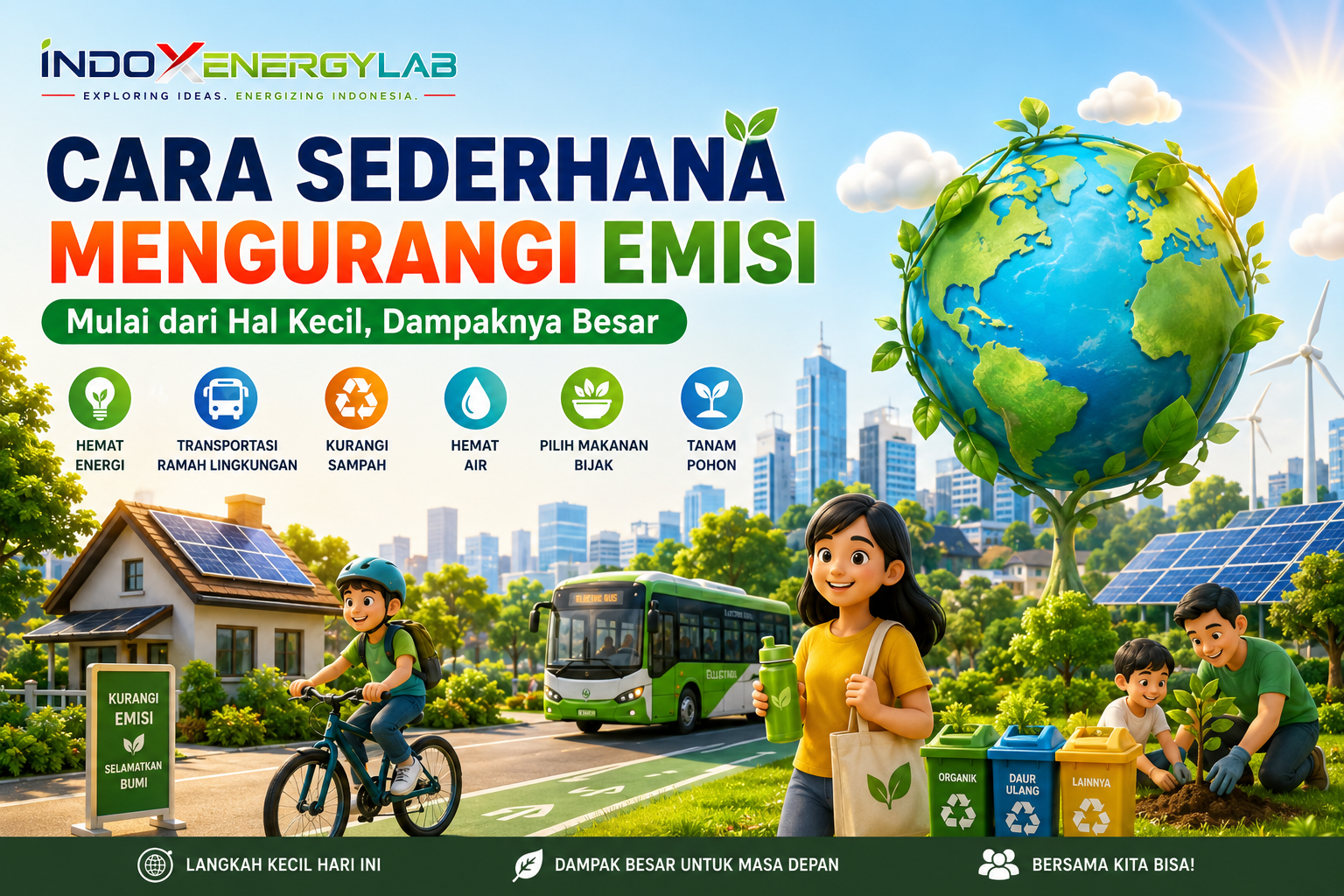
The good news is that everyone can help reduce emissions. You don’t have to make drastic lifestyle changes—even small daily actions can have a significant impact when adopted by millions of people.
In this article, we’ll explore:
• What emissions are and why reducing them matters
• Common sources of emissions in everyday life
• Simple ways to reduce your emissions
• The role of technology and clean energy
• How you can start making a difference today
Let’s begin with the basics.
What Are Emissions and Why Should We Reduce Them?
Almost every activity that uses energy produces emissions.
For example:
• Riding a motorcycle produces emissions from burning gasoline.
• Running an air conditioner may use electricity generated by coal-fired power plants.
• Cooking with natural gas also produces emissions.
These activities may seem ordinary, but when billions of people do them every day, the total amount of emissions becomes enormous.
Environmental Impacts of Emissions
Excessive emissions can cause several major environmental problems.
1. Global Warming
Greenhouse gases such as CO₂ trap heat in the atmosphere.
As a result, the Earth’s average temperature rises.
2. Climate Change
Rising global temperatures contribute to:
• More extreme weather
• Flooding
• Droughts
• Changing seasonal patterns
3. Air Pollution
Emissions from vehicles and industries also contribute to air pollution, which can negatively affect human health.
Where Do Our Daily Emissions Come From?
Before we can reduce emissions, we need to understand where they come from.
Here are some of the most common sources.
Transportation
Cars and motorcycles run on fossil fuels.
Every time we drive, we generate emissions.
Electricity
In many countries, most electricity is still produced using coal or natural gas.
So whenever we switch on a light or use an air conditioner, emissions are often produced at the power plant.
Consumer Products
Manufacturing products such as clothing, food, and electronics also generates emissions.
The more we consume, the greater the emissions associated with production.
Food
Food production—especially beef production—can generate substantial greenhouse gas emissions.
Simple Ways to Reduce Emissions
Now let’s look at what we can actually do.
The good news is that there are many simple habits we can adopt in our daily lives.
1. Save Electricity at Home
Reducing electricity consumption is one of the easiest ways to lower emissions.
Why?
Because much of our electricity still comes from fossil fuels.
Simple habits include:
• Turn off lights when they’re not needed.
• Unplug chargers when they’re not in use.
• Use LED light bulbs.
• Set your air conditioner to around 24–26°C (75–79°F).
• Choose energy-efficient appliances.
These may seem like small actions, but practicing them consistently can make a meaningful difference.
2. Choose More Sustainable Transportation
Transportation is one of the largest sources of emissions.
Consider alternatives such as:
• Walking for short distances
• Riding a bicycle
• Using public transportation
• Carpooling
If practical, electric vehicles can also be a good long-term option.
3. Reduce Single-Use Products
Disposable items, especially plastics, have their own carbon footprint due to manufacturing.
Simple solutions include:
• Bring your own reusable water bottle.
• Use reusable shopping bags.
• Reduce your use of disposable plastics.
These habits help reduce both waste and emissions from manufacturing new products.
4. Conserve Water
It may not seem obvious, but water consumption is also linked to energy use.
Water must be pumped, treated, and distributed—all of which require electricity.
Ways to save water include:
• Turn off the tap when not in use.
• Use only the amount of water you need.
• Fix leaking faucets and pipes.
5. Make Smarter Food Choices
The foods we eat also affect our carbon footprint.
Producing meat—especially beef—generates relatively high greenhouse gas emissions.
Simple tips:
• Reduce excessive meat consumption.
• Eat more fruits and vegetables.
• Choose locally produced food whenever possible.
You don’t need to change everything overnight—small steps are enough.
6. Reduce Food Waste
Food waste also contributes to emissions.
Why?
Because producing, transporting, and storing food all require energy.
To reduce food waste:
• Take only what you can eat.
• Store food properly.
• Finish the food you’ve already purchased.
7. Plant Trees and Other Plants
Plants absorb carbon dioxide from the atmosphere through photosynthesis.
Benefits of planting include:
• Helping reduce atmospheric CO₂
• Improving air quality
• Creating a more pleasant environment
You don’t have to plant large trees—even small plants at home can make a positive contribution.
8. Use Renewable Energy When Possible
If you have the opportunity, consider using renewable energy.
Examples include:
• Installing rooftop solar panels
• Choosing electricity supplied from renewable energy sources
While this may not be possible for everyone today, it represents an important step toward a cleaner future.
9. Support Environmentally Friendly Products
As consumers, we have the power to influence the market.
Choose products that are:
• Environmentally friendly
• Energy-efficient
• Produced by companies committed to sustainability
The more consumers support sustainable products, the more businesses are encouraged to improve.
10. Educate and Inspire Others
One of the most powerful ways to create change is by sharing knowledge.
You can:
• Encourage your family to save electricity.
• Share information with friends.
• Create educational content online.
The more people understand the issue, the greater the collective impact.
The Role of Technology in Reducing Emissions
In addition to individual actions, technology plays a crucial role.
Examples include:
• Solar energy
• Wind energy
• Electric vehicles
• Battery Energy Storage Systems (BESS)
• Smart grids
These technologies help create cleaner and more efficient energy systems.
The Role of Young People
Young people have an important role in shaping a more sustainable future.
With access to education and technology, they can:
• Develop innovative solutions
• Influence public policy
• Raise environmental awareness
Today’s small actions can become tomorrow’s major transformations.
Do Small Actions Really Matter?
Some people may wonder:
“If only I make these changes, will it really make a difference?”
The answer is yes.
Imagine this:
• One person saves electricity—the impact is small.
• One million people save electricity—the impact becomes enormous.
Every major change begins with small individual actions.
The Future: Moving Toward a Low-Carbon Lifestyle
The world is steadily moving toward a lower-carbon future.
Current trends include:
• Growing adoption of renewable energy
• Increasing popularity of electric vehicles
• More companies implementing ESG practices
• Continued improvements in energy efficiency
However, these changes also require active participation from society.
Conclusion
Reducing emissions is not only the responsibility of governments or large corporations. Every one of us can contribute through simple daily actions.
Start with things like:
• Saving electricity
• Choosing more sustainable transportation
• Reducing waste
• Making smarter food choices
When practiced collectively, these small actions can create a significant positive impact on the environment.
You don’t need to transform your lifestyle overnight.
Simply start with one small habit, stay consistent, and encourage others to do the same.
Because in the end, protecting our planet is a shared responsibility.