New Post
-
Safety

How to Determine Realistic Risk Controls in the Workplace
When discussing HSE (Health, Safety, and Environment) or workplace safety, we often hear terms such as: Hazard Risk assessment Mitigation…
Learning Energy
Learning Energy
0:16
0:16
0:16
0:16
0:16
Resume
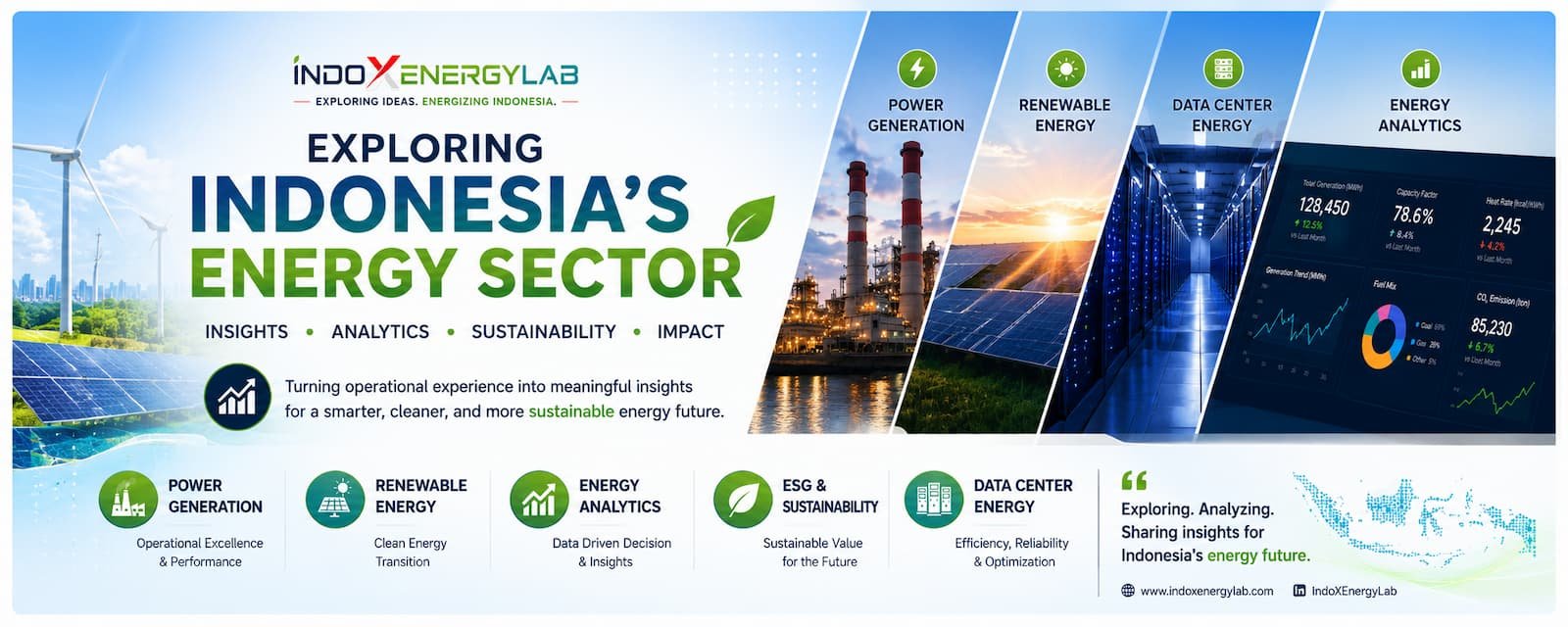
The energy transition aims to make renewable energy the primary source of power without compromising energy security or affordability. Achieving this goal requires the integration of energy networks, the development of energy storage technologies, the digitalization of energy systems, and more effective electricity market mechanisms.
Key challenges include maintaining supply reliability when renewable energy generation fluctuates, managing increasingly complex energy systems, and establishing regulations and market designs that support the transition. Therefore, research and innovation play a critical role.
Through collaboration among governments, industry stakeholders, and researchers, efforts are being made to build a cleaner, more efficient, and more sustainable energy system for the future.
Information source link
source link : https://www.youtube.com/watch?v=U2dUwmXMLpw&t=11s
Resume
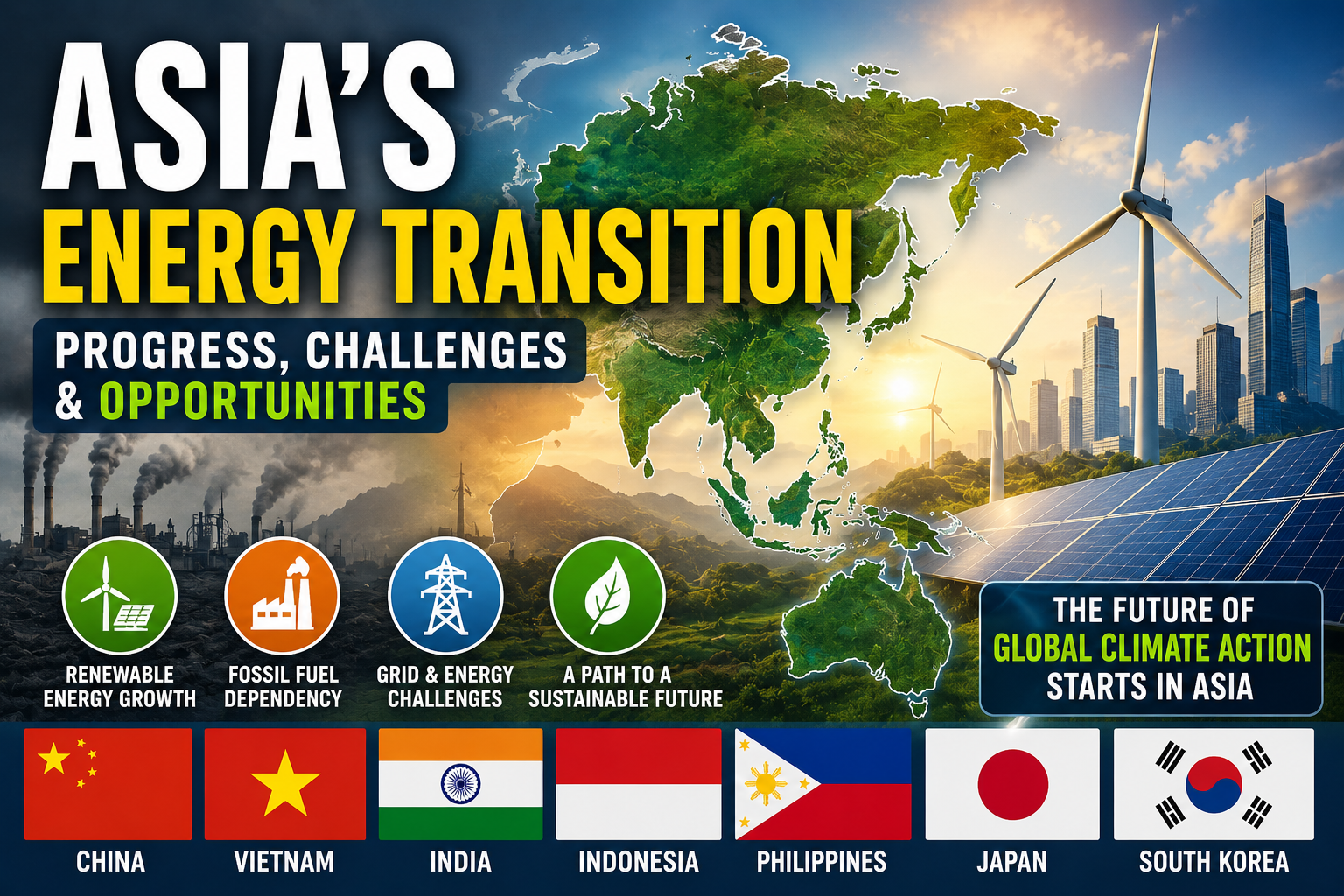
Asia stands at a critical crossroads in the global energy transition, as the region accounts for more than half of the world’s greenhouse gas emissions. China, India, and Vietnam are leading the expansion of renewable energy through significant investments in solar and wind power, although coal continues to play a major role in their energy mix.
Meanwhile, countries such as Indonesia, Bangladesh, and Malaysia remain heavily dependent on coal and natural gas to meet growing energy demand. Japan and South Korea are advancing the development of hydrogen, ammonia, and carbon capture and storage (CCS) technologies; however, the effectiveness and long-term viability of these solutions remain subjects of ongoing debate.
Overall, the success of Asia’s energy transition will depend on stronger policy frameworks, increased investment, power grid modernization, and the accelerated deployment of renewable energy. These efforts are essential to support economic growth, enhance energy security, and contribute to the achievement of global climate goals.
Information source link
source link : https://www.youtube.com/watch?v=Z2-D47sCmac&t=1s
Resume
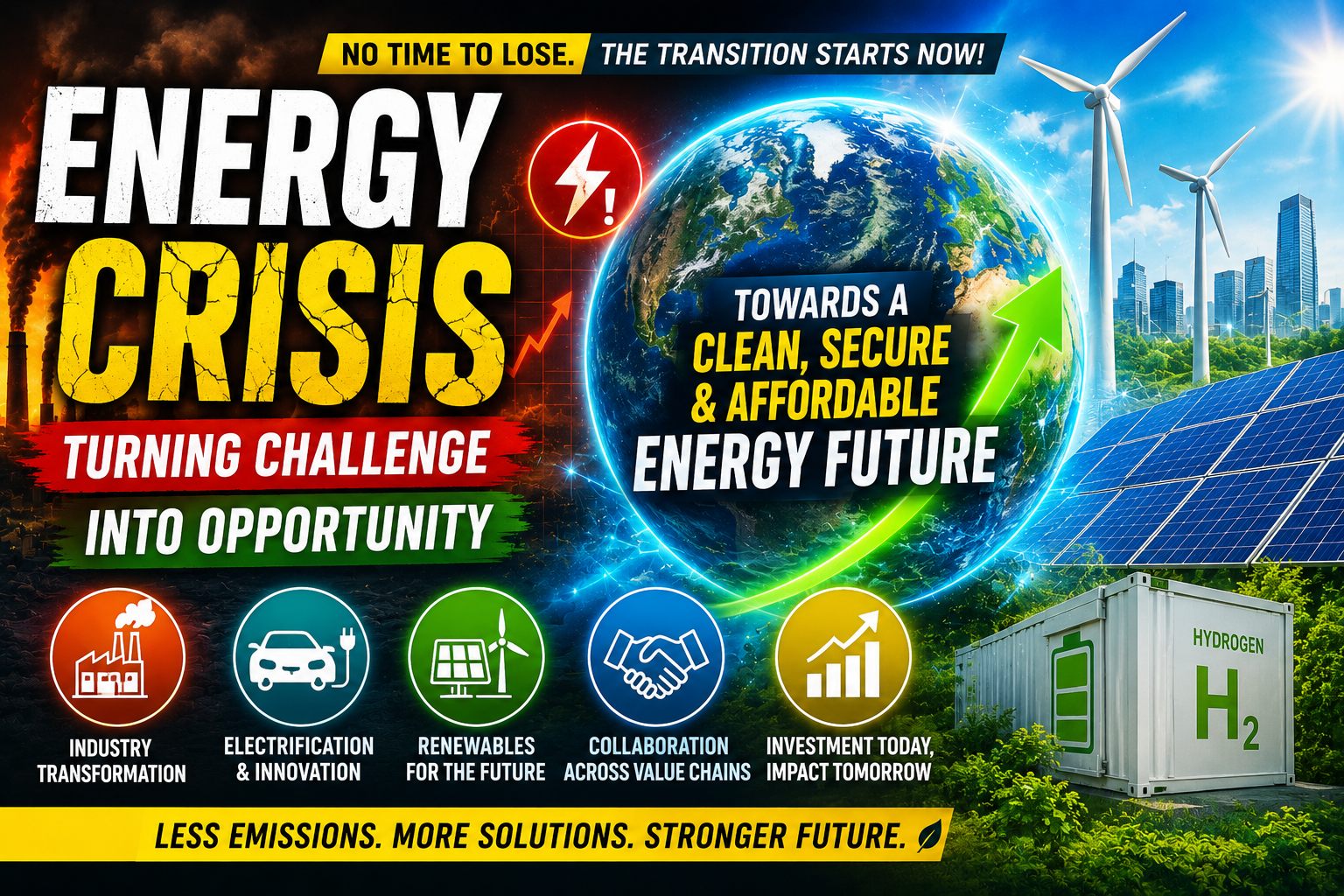
The current global energy crisis is one of the deepest and most complex in modern history, while also presenting a unique opportunity to accelerate the transition toward cleaner, more resilient, secure, and affordable energy systems.
In Europe, the industrial and transportation sectors are among the largest contributors to greenhouse gas emissions. As a result, electrification, renewable energy, battery storage, hydrogen, energy efficiency, and other low-carbon technologies have emerged as key solutions for decarbonization.
The greatest challenge is no longer the availability of technology, but rather the scale of investment and financing required to support the transition. Successful decarbonization will depend on cross-industry collaboration, strong government policy support, and substantial investments to close the climate finance gap.
In addition to expanding the supply of clean energy, reducing energy demand through improved energy efficiency will also be critical to accelerating the global energy transition and achieving long-term sustainability goals.
Information source link
source link : https://www.youtube.com/watch?v=zwsAf0do-yo&t=1s
Resume
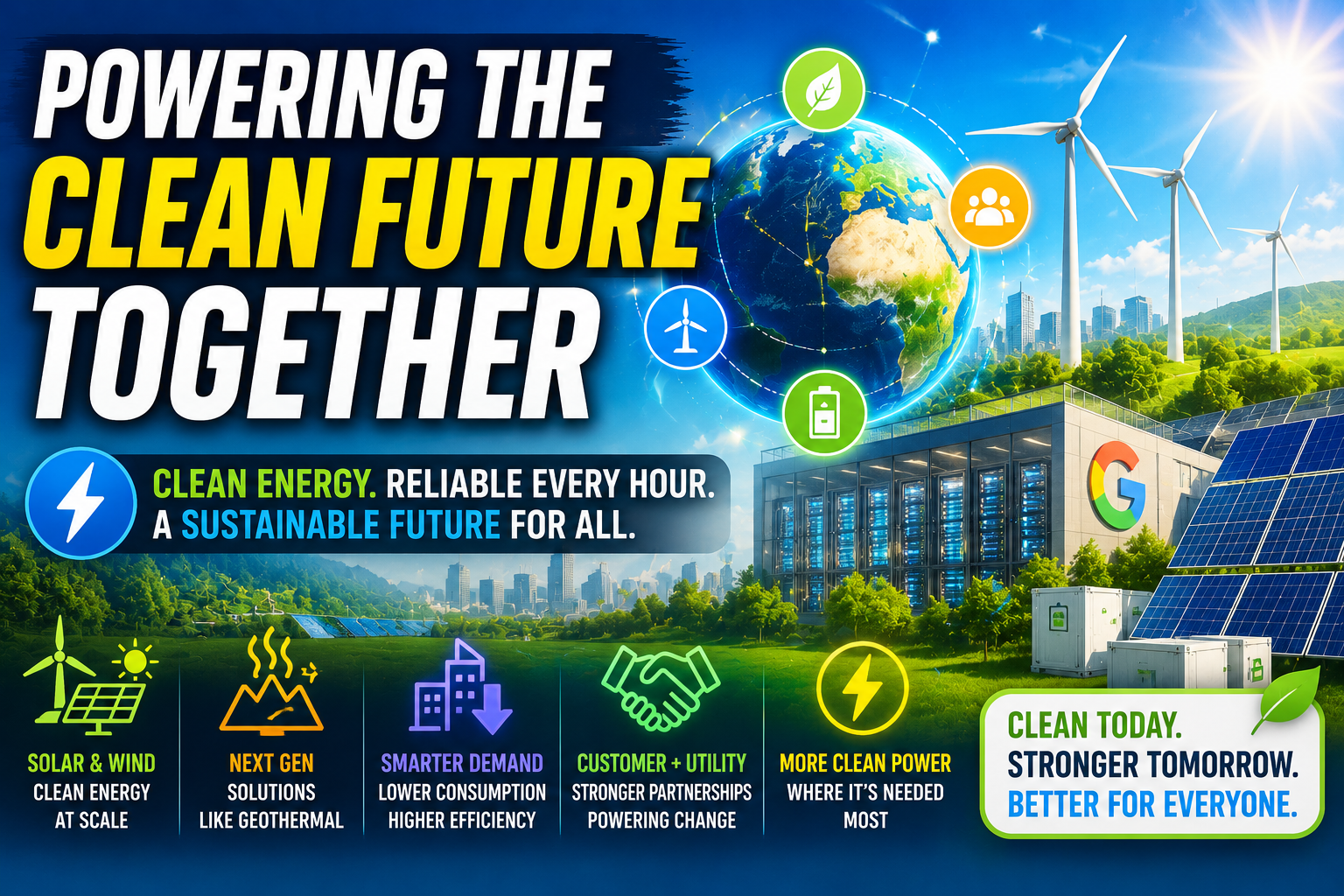
The transition toward a carbon-free power system requires the continuous expansion of clean energy sources to meet the growing demand for electricity. This approach goes beyond relying solely on solar and wind power by promoting the development of next-generation technologies such as geothermal energy, demand-side energy management solutions, and other low-carbon energy sources to ensure a reliable electricity supply around the clock.
Collaboration among energy consumers, project developers, and utility companies is essential to accelerating clean energy investments, expanding renewable generation capacity, reducing carbon emissions, and delivering a more sustainable, flexible, and resilient energy system. Such efforts are critical to supporting long-term economic growth while advancing global decarbonization goals.
Information source link
source link : https://www.youtube.com/watch?v=DZN2EO7TH-A&t=1s
Resume
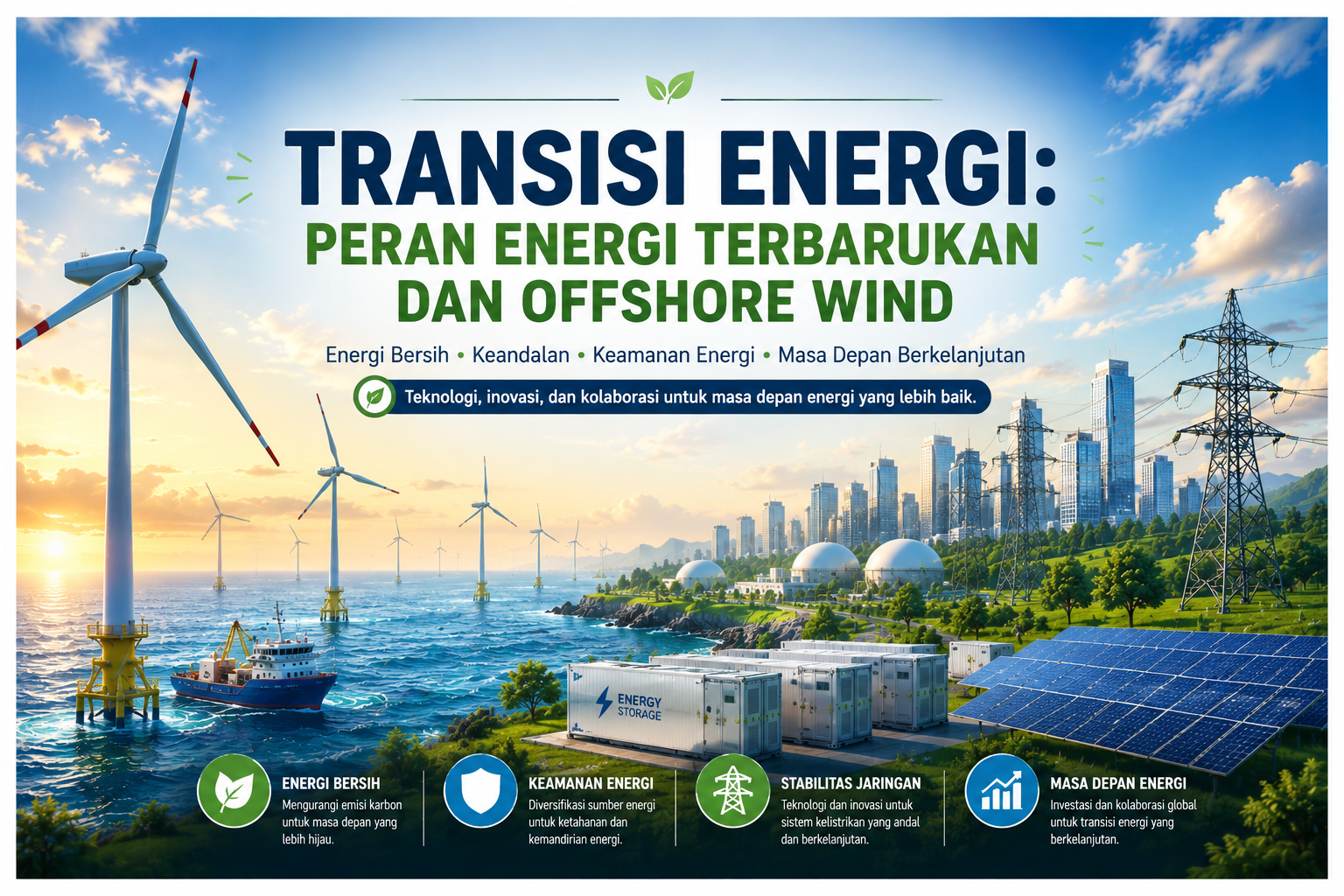
The global energy transition is driven by two primary objectives: reducing carbon emissions and strengthening energy security. Renewable energy has emerged as a key solution, offering clean electricity at increasingly competitive costs.
However, the expansion of renewable energy continues to face several challenges, including complex permitting processes, policy shifts influenced by geopolitical developments, and the need to maintain power grid stability as variable renewable generation increases.
Among renewable energy technologies, offshore wind plays a strategic role due to its ability to generate large amounts of electricity with a high degree of reliability. With ongoing technological advancements and rapid capacity growth, the renewable energy sector is widely recognized as a critical enabler of industrial decarbonization and a cornerstone of a more sustainable energy future.
Information source link
source link : https://www.youtube.com/watch?v=GbK9emSGZiw
Resume
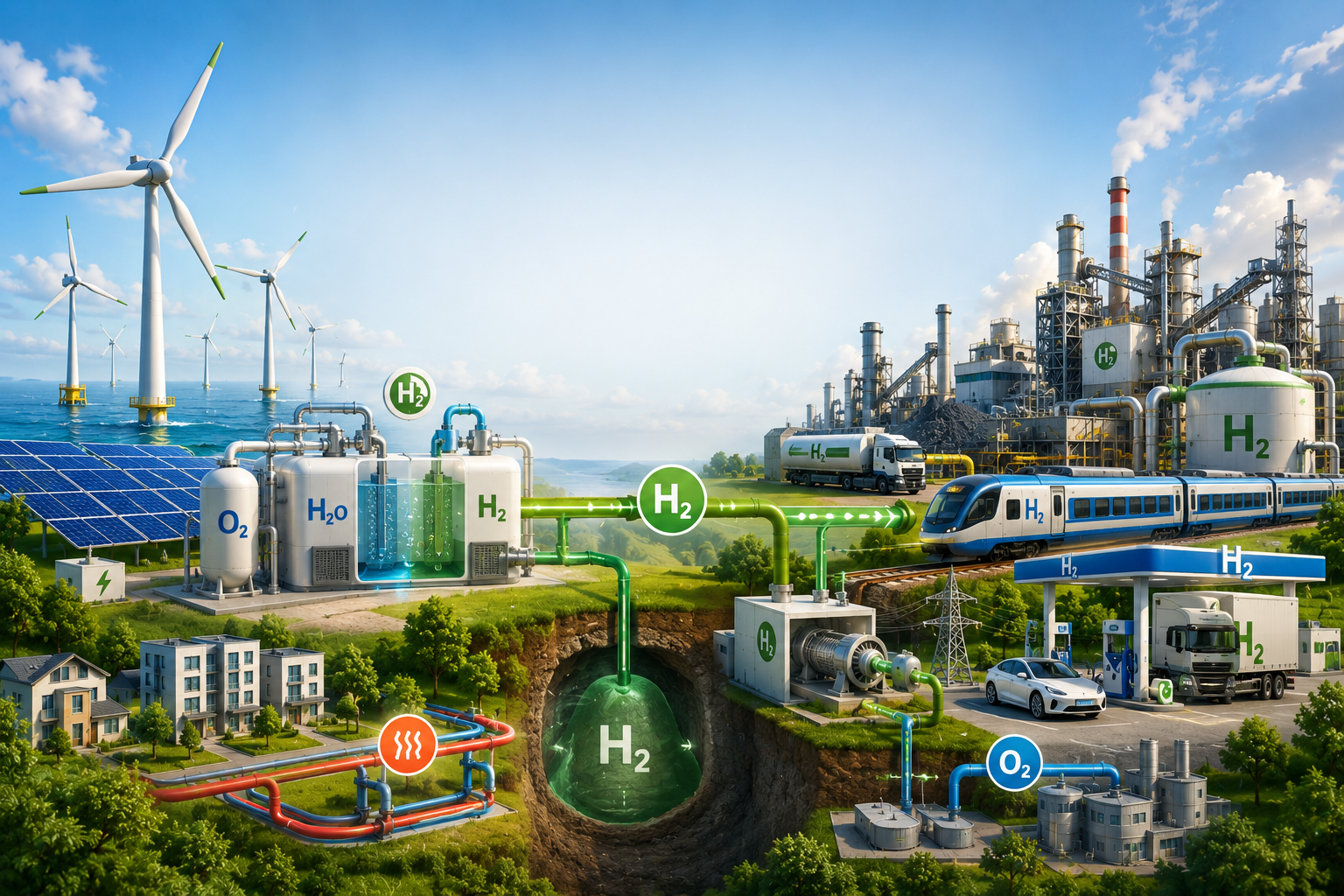
Green hydrogen is widely regarded as one of the key enablers of the transition toward a low-carbon energy future. It is produced through electrolysis powered by renewable electricity sources such as wind and solar energy, resulting in a fuel that generates no direct carbon emissions during production.
Hydrogen infrastructure enables renewable energy to be utilized across multiple sectors, including industry, transportation, energy storage, and power generation. Germany’s Get H2 project demonstrates how hydrogen production, distribution, storage, and end-use applications can be integrated within a single ecosystem.
This integrated approach supports industrial decarbonization while enhancing the flexibility, resilience, and long-term sustainability of national energy systems.
Information source link
source link : https://www.youtube.com/watch?v=tGKKHWkrXDA&t=3s